What a Friend We Have in Jesus for Crafts
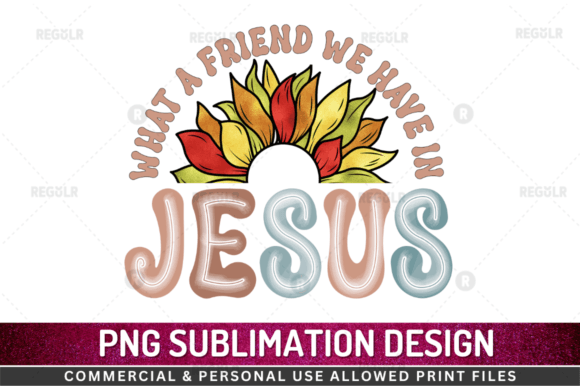
When I first opened What a Friend We Have in Jesus, I was prepping a new batch of listings for my Etsy shop. I run a small digital download store focused on faith-based printables and handmade-style merchandise, so I am always looking for graphic design assets that feel both reverent and commercially flexible. This particular design landed in my folder as part of a larger bundle I was testing for a seasonal collection. My first impression was that it carries a warm, traditional, and slightly vintage visual personality. It is not trying to be trendy or overly modern. Instead, it leans into a classic devotional mood that appeals to buyers looking for meaningful, understated decor and product graphics. The linework and overall composition feel thoughtful without being fussy, and the typography or illustration style (depending on the variant) suggests a handmade, letterpress-inspired quality. That matters for a creative marketplace because buyers often respond to designs that feel authentic and timeless rather than mass-produced.
The audience for What a Friend We Have in Jesus tends to be customers who appreciate hymn-inspired art, quiet faith-based aesthetics, and pieces they can use in home decor, gift items, or personal devotional spaces. It is not a loud or playful design. It is more contemplative and gentle, with a rustic or minimal elegance depending on how you format it. That makes it a strong candidate for small business branding, printable wall art, and merchandise aimed at church communities, Christian schools, or faith-focused boutiques. If you are a digital product creator evaluating this asset, you should think about whether your existing customer base leans toward that softer, reverent style. If they do, this design could fit naturally into your catalog without feeling forced.
Testing the Design Across Product Formats
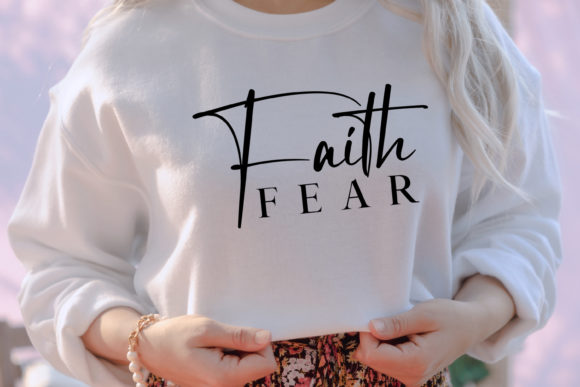
Before I commit any design asset to a live listing, I run it through a series of product mockups to see how it translates. For What a Friend We Have in Jesus, I tested it on a few core formats that matter to Etsy sellers and print-on-demand creators. The first was a standard t-shirt design mockup. The asset sat well on a light-colored tee, especially in a centered layout with breathing room around the text and ornamentation. On darker shirts, I needed to check contrast carefully because the design relies on delicate linework rather than bold fills. That is worth noting if you plan to sell apparel. You may want to offer a white or light shirt option, or invert the design for dark backgrounds if the file allows it.
Next, I dropped it into a mug design template. Mug graphics need to read clearly at a glance, and What a Friend We Have in Jesus worked nicely as a centered focal point on a ceramic surface. The hymn reference gives it a conversational quality that feels personal, which is exactly what gift buyers look for. I also tested it as a tumbler wrap, and the proportions held up well when scaled to fit a cylindrical surface. For sublimation designs, the asset printed cleanly on polyester blends in my test runs, though I always recommend running a physical sample before listing because monitor colors and print output can differ.
I tried it as a printable wall art piece. This is where What a Friend We Have in Jesus really shines. The design has enough visual weight to stand alone as an 8x10 or 11x14 print, especially when paired with a soft background or a subtle textured frame in the mockup. I paired it with a serif font for the main title and a handwritten script for a secondary phrase, and the combination felt cohesive without looking cluttered. The asset also worked well inside a Canva template for social media graphics. I created a few Instagram post templates and a Facebook cover, and the design gave them a consistent brand identity that could carry across a full shop collection.
Where This Asset Shines in a Shop
What a Friend We Have in Jesus performs best in product categories where the design can breathe. Large product previews, such as wall art listings, tote bag prints, and throw pillow covers, allow the hymn-inspired artwork to become the hero of the visual. I also found it effective for greeting cards and invitation templates, especially for events like baptisms, confirmations, or church gatherings. The design communicates warmth and familiarity, which helps build customer trust. Shoppers browsing a creative marketplace often make quick decisions based on thumbnail appeal, and this asset has a clear, recognizable theme that stands out in a grid of generic clipart.
For Cricut users and Silhouette crafters, What a Friend We Have in Jesus can be used in layered vinyl projects, heat transfer designs, and papercraft. The key is checking the SVG cut quality. If the design includes thin lines or delicate flourishes, you may need to simplify some elements or enlarge the file to ensure clean cuts. I tested a scaled-up version on my Cricut Maker, and the cut lines were precise enough for a 10-inch wide project. For smaller applications like sticker designs or planner stickers, I would recommend keeping the design simple and avoiding overcrowded details. Tiny sticker cuts require strong contrast and clear separation between elements, and this asset works better at a moderate scale than as a micro detail.
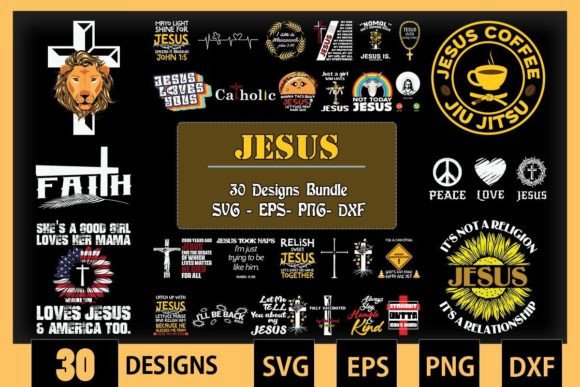
Another strong use case is in product bundles. When I prepared a seasonal digital download collection, I included What a Friend We Have in Jesus as part of a faith-based bundle alongside complementary designs. Bundles increase perceived value and average order value, and this asset helped anchor the collection with a recognizable hymn title that customers immediately understood. I also used it in a mockup for a listing image thumbnail. The design read clearly at thumbnail size, which is crucial for click-through potential on Etsy and other platforms.
Where Caution Makes Sense
Not every product format is a natural fit for What a Friend We Have in Jesus. In my testing, I noticed that the design loses impact when scaled down too aggressively. On a small pin badge or a tiny sticker sheet, the delicate lines can become muddy or hard to read. If you plan to sell those formats, consider offering a simplified or bold variant of the asset. Similarly, complex layouts with multiple text layers or busy backgrounds can overwhelm the design. It thrives with negative space and a clean composition. I would avoid placing it on dark backgrounds unless you invert the colors or add a halo effect to maintain legibility.
For print-on-demand products like phone cases or small accessories, test the resolution carefully. The asset should be supplied at a high enough DPI to avoid pixelation when printed at full size. I always check the file resolution before listing, and I recommend you do the same. If the PNG transparency is not clean, you may see white edges around the design on dark substrates. That can hurt your product presentation and lead to refunds or negative reviews. Take the time to verify the file quality before you publish.
Practical Seller Notes Before Listing
Before you use What a Friend We Have in Jesus for commercial products, confirm the commercial license terms. Some graphic design assets restrict how you can sell finished items, especially if you plan to use them in print-on-demand shops or as part of a design bundle. Read the license carefully so you do not risk a policy violation. Once the licensing is clear, organize your files in a way that customers can easily access. Include separate folders for SVG, PNG, and any editable formats like Canva templates or Adobe Illustrator files. Clear file organization improves customer satisfaction and reduces support questions.
When you create product mockups, test the design on both white and dark backgrounds. See how it reads in a thumbnail image and how it looks in a lifestyle photo. I also recommend testing it with different font pairings. A serif font gives it a classic, elegant feel. A sans serif font keeps it clean and modern. A script or handwritten font adds a personal, handmade touch. A display font can work for titles but should not compete with the asset itself. The right typography choice can elevate the design and make your listing feel more professional.
Finally, think about how What a Friend We Have in Jesus fits into your broader brand identity. If you run a handmade business or a small creative shop, consistency across your product line builds recognition and loyalty. This design can be a strong anchor for a faith-based collection, but it works best when surrounded by complementary assets that share a similar mood and quality level. Test it early, test it honestly, and let the design speak for itself in your shop visuals.
Whether you are an experienced digital product creator or just starting out, What a Friend We Have in Jesus offers a solid foundation for wall art, merchandise, printables, and handmade projects. With thoughtful testing and careful formatting, it can help you build a more polished and trustworthy product collection that resonates with the right audience.