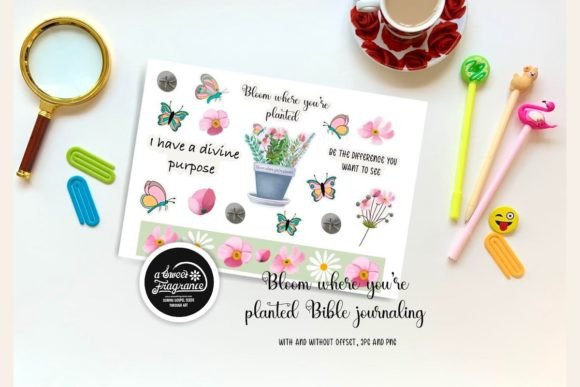
Bible Journaling Christian Art Illustrations Review
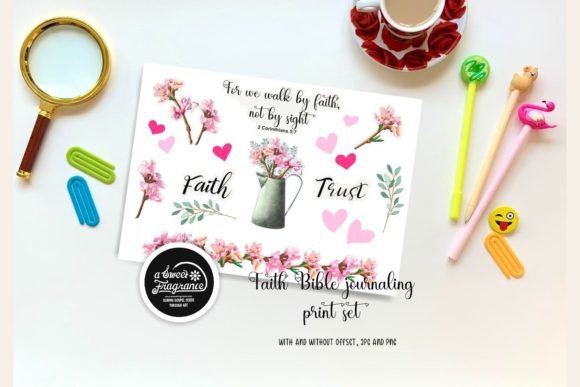
When I first opened the Bible Journaling Christian Art encourage pack, I was working on a new collection for my Etsy shop. I had been searching for a graphic design asset that could serve multiple product types without losing its visual impact. This set immediately caught my attention because it blends a gentle, handcrafted feel with enough structure to work across digital and physical formats. The overall mood is warm, reflective, and intentionally simple, which makes it appealing to a broad base of buyers who appreciate faith-based design without heavy ornamentation.
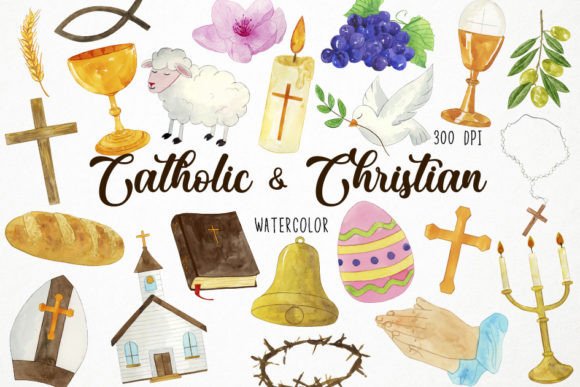
The visual personality leans toward soft, approachable, and slightly rustic. There is nothing overly bold or aggressive here. Instead, the lines feel drawn with care, the typography suggestions are calm, and the overall composition leaves room for the user to add their own layers. It fits well within the modern Christian living space, but also works for anyone creating content around encouragement, mindfulness, or family values. This asset feels feminine in a quiet way, but not exclusively so. I could see it appealing to both men and women who run small businesses centered on faith, hope, and community.
Testing the Asset Across Real Product Formats
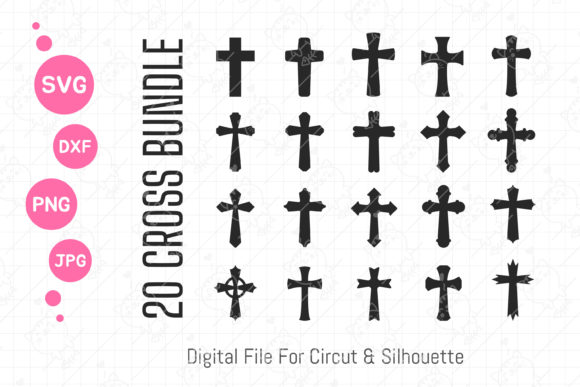
Before I commit a design asset to a product listing, I always run it through a few standard tests. With the Bible Journaling Christian Art encourage illustrations, I started with a simple PNG export to see how the artwork held up on a white background and then on a dark mockup. The contrast was clean. The line work remained visible without becoming muddy. I then imported the SVG version into my Cricut Design Space to test cutting precision. The paths were well constructed. No stray nodes, no overlapping shapes that would confuse the cutting mat. That is a strong sign for anyone selling Cricut projects or printable cut files.
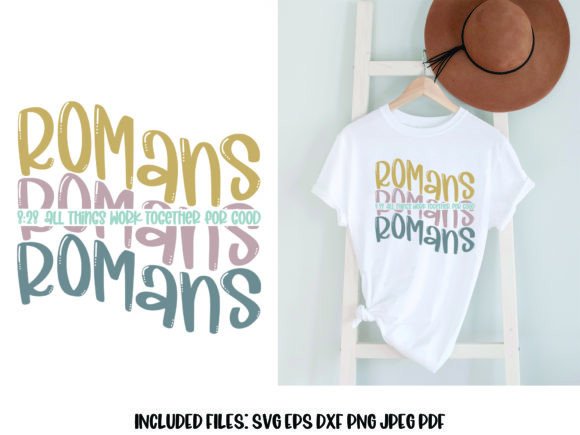
Next, I placed the design onto a t-shirt mockup, a mug wrap, and a tote bag preview. On the t-shirt, the illustration sat naturally on the chest area without feeling too large or too sparse. On the mug, the vertical orientation worked well for a wrap-around design. On the tote bag, the asset gave off a handmade, artisan feel that fits current market trends. I also tested it as a Canva template element, dropping the illustration into a square social media graphic and a vertical printable wall art frame. In both cases, the asset scaled well without pixelation.
Where This Asset Shines in Product Creation
The Bible Journaling Christian Art encourage set is particularly strong in a few key product categories. Let me break down where I found the most immediate value.
Printable Wall Art and Home Decor
This is the most natural fit. The illustrative style pairs beautifully with framed prints, canvas displays, and even nursery decor. The encouragement theme resonates with buyers looking for daily reminders in their living spaces. I created three variations of printable wall art using the same illustration but paired it with different font styles. A serif font gave it a classic, timeless feel. A handwritten font brought warmth and approachability. A clean sans serif kept it modern and minimal. All three versions looked cohesive because the illustration anchored the design.
Sticker and Planner Graphics
For sticker design, the asset works best in medium to large formats. Small sticker details, especially if you are cutting intricate shapes, require clean lines. I found that the illustrations in this pack have enough open space to cut well on a Cricut or Silhouette machine. I tested a few motifs as planner stickers and devotional journal embellishments. The adhesive backed vinyl held the detail nicely. If you sell sticker packs on Etsy or Creative Fabrica, this asset could become a repeat seller within a faith-based sticker collection.
Sublimation and Merchandise Graphics
Sublimation printing demands high contrast and clear edges. I ran a test transfer onto a ceramic coaster and a polyester T-shirt. The colors remained true, and the line work did not blur or bleed. For mug design, the illustration sat well in both a centered layout and a wrap-around format. For tote bags and tumblers, the asset gave the product a boutique feel that small business owners often look for when building a brand identity.
Greeting Cards and Invitation Templates
If you sell printable card templates, this asset can serve as the main focal point or as a background accent. I created a simple folded card mockup with the illustration on the front and a blank interior for custom messages. The result looked professional enough to list as a premium template. The same approach works for baptism invitations, encouragement card sets, or seasonal greeting card bundles.
Where to Use This Asset Cautiously
No graphic design asset is perfect for every product scenario. With the Bible Journaling Christian Art encourage set, I noticed a few areas where extra care is needed.
Small print applications, such as tiny sticker details for planners or narrow margins on gift tags, require scaling down significantly. When I reduced the illustration to less than one inch, some of the finer lines began to lose definition. If you plan to use this asset in very small formats, consider simplifying the design or pairing it with a solid background shape to maintain visibility.
Complex layouts with multiple overlapping elements can also become visually cluttered. The asset shines when given breathing room. If you layer it over busy backgrounds or pair it with heavy textures, the encouraging message can get lost. I recommend testing any layout on a thumbnail-sized preview before publishing. If the design becomes unclear at that scale, simplify the composition.
Text-heavy products, such as long-form journal templates or detailed devotional pages, may not benefit from this asset as a dominant element. In those cases, using the illustration as a subtle header accent or a corner embellishment works better than placing it front and center.
Practical Seller Notes Before Publishing
If you are considering this asset for your digital product shop, here are a few practical steps I recommend taking before you hit publish.
- Test your mockups first. Drop the illustration into a product mockup at the exact size it will appear in your listing. Check how it reads as a thumbnail, as a preview image, and as a zoomed-in detail. The visual hierarchy should be clear at every stage.
- Check contrast on multiple background colors. What looks good on white may disappear on a dark charcoal or a soft pastel. Export a few versions and view them on different devices.
- Verify PNG transparency. Some design assets come with hidden background artifacts. Open the PNG file in a fresh document and confirm that the transparency is clean, especially if you are selling sublimation designs or layering elements.
- Inspect SVG cut quality. If you sell Cricut or Silhouette projects, import the SVG into your cutting software and check each layer. Look for open paths, overlapping shapes, or unnecessary nodes that could cause cutting errors.
- Organize your files clearly. Customers appreciate a clean folder structure. Include separate folders for SVG, PNG, EPS, and any editable formats. Add a simple instruction sheet if the asset requires specific software or setup.
- Pair fonts thoughtfully. The illustration has a gentle, handmade quality. Serif fonts add elegance. Script fonts add flow. Sans serif fonts add modernity. Handwritten fonts add warmth. Test a few combinations and choose the one that matches your target customer’s taste.
- Confirm commercial licensing. Always check the license agreement before selling finished products. Some assets allow unlimited commercial use, while others restrict certain platforms or print runs. Know the terms before you list.
Building a Cohesive Product Collection
One of the strongest advantages of the Bible Journaling Christian Art encourage set is how easily it ties together a themed bundle. I built a small collection around this asset: a printable wall art piece, a set of four encouragement cards, a planner sticker sheet, and a simple social media template pack. All four products shared the same illustration style, which created instant brand consistency across my shop. That kind of cohesion builds customer trust. When a buyer sees a unified visual identity, they perceive higher value and are more likely to purchase multiple items.
I also used the asset in my product listing images. The main thumbnail featured the illustration on a clean background with a short encouraging phrase overlaid. The secondary images showed the same design applied to a mug, a t-shirt, and a framed print. That variety helps customers visualize the design in their own lives. It also signals that the asset is versatile, which is a strong selling point for digital designers and small business owners looking for reliable commercial design resources.
Final Thoughts on Commercial Viability
From a practical selling standpoint, the Bible Journaling Christian Art encourage illustrations are a solid addition to any faith-based or encouragement-focused product lineup. They offer enough visual appeal to stand alone as a premium design, yet remain flexible enough to layer into larger compositions. The niche is clear, the audience is engaged, and the style aligns with current trends in printable decor, sticker design, and merchandise graphics. With careful testing and thoughtful pairing, this graphic design asset can support a range of profitable digital products across Etsy, Creative Fabrica, Shopify, and other creative marketplaces.