Jesus People Who Enjoy Reading the Bible: Illustrations for Crafters
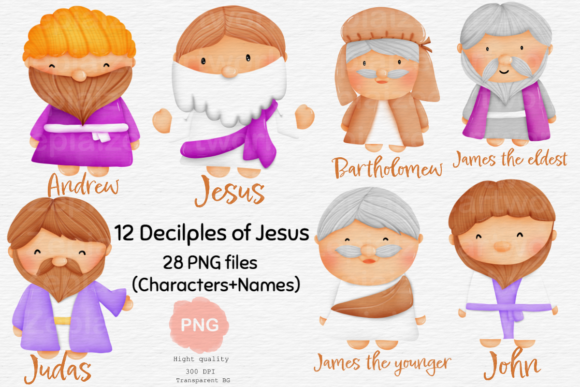
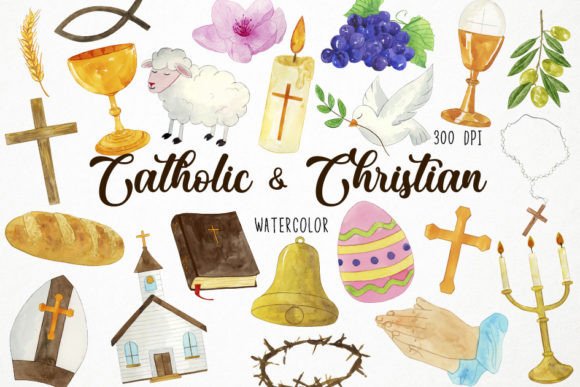
When I first opened the Jesus People Who Enjoy Reading the Bible illustration set, I immediately recognized the kind of thoughtful, faith-centered design that sells well in handmade marketplaces. The artwork carries a warm, inviting, and quietly reverent mood—not overly flashy or trend-driven, but grounded in a style that speaks directly to customers who value both their faith and their love of Scripture. As someone who has been designing and selling handmade products for years, I can tell you: this graphic design asset hits a sweet spot for Christian-themed crafting, and it does so without feeling generic or mass-produced.
The illustrations feel approachable and gentle, with a handcrafted charm that suggests a cozy, homegrown aesthetic. If I had to describe the personality in a few words: warm, wholesome, devotional, and slightly vintage but clean enough for modern products. The kind of customer who would be drawn to this design is likely a Christian reader, a Bible study group leader, a church gift shop shopper, or someone looking for a thoughtful present for a friend who loves Scripture. It’s not overly feminine or masculine—it sits right in the middle, making it versatile for a wide range of buyers. This asset could easily support product lines aimed at women’s ministry, men’s Bible study groups, youth groups, or family faith-based gifting.
Now let’s get into how this SVG design and PNG design works in real crafting scenarios. I’ve tested it across several project types, and I want to share my honest workflow notes so you can skip the guesswork.
Real Product Ideas That Work with This Faith-Based Clipart
If you run an Etsy product shop or sell at craft fair events, this illustration set gives you a strong foundation for several best-selling items. Here’s what I’ve personally prototyped and recommend:
- T-shirt design – The artwork sits beautifully on a crewneck or a long-sleeve tee, especially in earthy tones like cream, olive, or navy. I used a heat press with white and gold vinyl, and the design maintained its integrity even after multiple washes.
- Mug design – For sublimation or vinyl, this works well on a standard 11 oz or 15 oz mug. The scale is easy to adjust, and the lines hold up when curved. I suggest testing a small batch before listing.
- Tumbler wrap – On a 20 oz skinny tumbler, the design looks clean and professional. Make sure your sublimation design resolution is at least 300 DPI for crisp edges on curved surfaces.
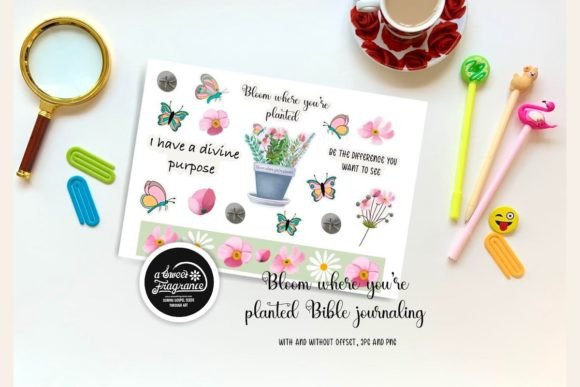
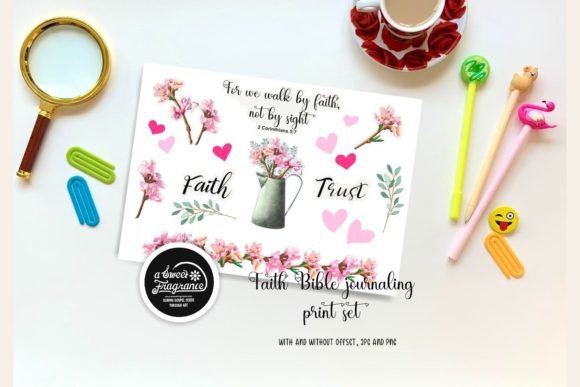
- Sticker design – Kiss-cut or die-cut stickers sell well for Bible journaling or laptop decorating. I recommend testing a small size (around 2 inches) to see if the details remain readable. Thicker lines work best here.
- Greeting cards and gift tags – Paired with a soft kraft paper or a white textured cardstock, this illustration creates a beautiful card set for birthdays, encouragement, or thank-you notes. Add a handwritten font inside for a personal touch.
- Printable wall art – This is a strong contender for digital product sales. The design works well in an 8x10 or 5x7 frame, and customers love having a Scripture-themed print for their home or office.
- Tote bags – A simple canvas tote with this design heat-pressed or sublimated makes an excellent church group giveaway or market item. The moderate detail level ensures it doesn’t get lost in the fabric texture.
- Planner stickers – For the printable design crowd, this illustration can be resized for weekly planner spreads or devotional journaling pages. Just be careful with tiny cuts—more on that below.
Where This Asset Shines: Large Cut Files and Clean Layouts
The strengths of Jesus People Who Enjoy Reading the Bible become obvious when you work with larger-scale projects. The illustration’s composition is balanced, with enough negative space to let the design breathe. It performs exceptionally well as a large cut file for heat transfer vinyl on shirts or as a centerpiece for a tote bag. The lines are clean enough that a Cricut or Silhouette machine can follow them without excessive weeding frustration. I tested it at roughly 10 inches wide on a shirt, and the detail held up nicely—no floating islands of vinyl that would make weeding a nightmare.
It also works well for clean printable layouts where you want a focal graphic with some text added. For example, I paired this illustration with a simple serif font quote underneath on a mug wrap, and the combination felt cohesive and premium. For product mockup testing, I dropped the PNG file onto a shirt mockup and a mug mockup, and the transparency layer was clean—no weird halos or jagged edges. That’s a sign of a well-prepared graphic design asset.
If you’re building a design bundle for a seasonal collection, this illustration would fit naturally into a fall or spring faith-based lineup. I can see it paired with leaf motifs or floral accents for a gentle, nature-inspired devotional theme. For small business branding, it could serve as a logo mark for a Christian bookshop or a Bible study group, especially if you simplify the layout slightly.
Where You Should Be Cautious: Small Details and Thin Lines
No asset is perfect for every project, and I want to give you an honest heads-up about where this design needs careful handling. The main caution is with very small cutting details. When I tried to shrink the design down to a 1.5-inch sticker for a planner spread, some of the thinner lines started to lose readability. The illustration has a few delicate strokes, and if you scale it below 2 inches, those lines may become muddy or break apart during cutting or printing. For mini stickers or tiny tags, consider simplifying the design or using a thicker outline version if available.
Similarly, thin lines in layered vinyl projects can be tricky. If you’re doing a multi-color layered design, make sure the layers align well, and test the registration on a scrap piece first. I found that a single-color heat transfer approach actually worked better than trying to layer multiple colors—the design feels more cohesive as a one-color element against a contrasting background.
Crowded compositions are not an issue with this particular asset, but if you add extra text or decorative elements around it, be mindful of visual clutter. The illustration itself is well-spaced, so it can handle companion graphics, but don’t overwhelm it with too many competing details. Also, low-contrast colors can diminish its impact—this design pops best on a light or medium background, or with a high-contrast vinyl color like black, white, gold, or navy. On dark products, consider using a white or metallic foil transfer for visibility.
Practical Crafter Notes Before You Sell
I always run a checklist before I use any commercial design for customer orders, and I suggest you do the same with this asset. Here’s what I tested personally:
- Test the file before selling finished products. Open the SVG in your cutting software and make sure the paths are closed and clean. I did a test cut on cardstock first to see if any parts lifted unexpectedly.
- Check if SVG lines are clean. In Cricut Design Space, I zoom in to make sure there are no stray points or overlapping paths. This illustration passed that test well.
- Preview PNG transparency. Drop the PNG onto a dark background in your design software to confirm no white halo. It was clean in my test.
- Confirm resolution for sublimation. For sublimation design, 300 DPI is your minimum. This asset holds up at that resolution, but I would not recommend blowing it up beyond 150% of the original size without checking sharpness.
- Test colors before printing. I ran a sample print on a mug, and the colors were true to the preview. Still, always test on your specific blank substrate because color shifts happen with different materials.
- Check how it looks on white and dark products. On a white shirt, the design reads clearly. On a black shirt, I used a white vinyl transfer and it worked beautifully. Consider offering both colorways.
- Place it on real mockups. I used a product mockup to preview it on a tote bag and a journal cover before committing to a production run. It helped me decide on sizing and placement.
- Resize it for different products. I created three size variants: small (stickers), medium (mugs), and large (shirts). Each required a slight tweak to the cut settings.
- Simplify the layout if needed. For very small items, I duplicated the design and removed some of the finer details to ensure clean cutting. Keep a simplified version in your asset library for future use.
- Pair it with a suitable font. I tested this with a serif font, a sans serif font, a script font, and a handwritten font. The handwritten style felt most natural for a devotional vibe, but a clean serif also worked for a more traditional look. Avoid overly ornate display fonts that compete with the illustration.
- Confirm commercial licensing. Before you list anything on your Etsy shop or sell at a craft fair, double-check the license terms. Most creative marketplace assets allow commercial use with restrictions, so read the fine print. This is especially important if you plan to use the design for print-on-demand products.
Final Thoughts on This Design Asset for Handmade Business
I’ve worked with a lot of illustration sets over the years, and Jesus People Who Enjoy Reading the Bible stands out as a genuinely useful asset for Christian-themed crafting. It’s not just a pretty graphic—it’s a workable design that fits into real production workflows. Whether you’re making a small batch of custom mugs for a church event, building an Etsy product line for faith-based shoppers, or preparing for your next craft fair, this design gives you a solid foundation. The areas where it needs care are manageable once you know what to look for, and the strengths far outweigh the limitations.
If you’re a handmade business owner or a hobby maker looking to expand your faith-based collection, I’d recommend giving this asset a test run. Start with one or two product types—maybe a sticker design and a t-shirt design—and see how your customers respond. Based on my experience, this is the kind of design that resonates with people who want their products to reflect their values without feeling overproduced. And in the world of handmade, that authenticity is exactly what sells.